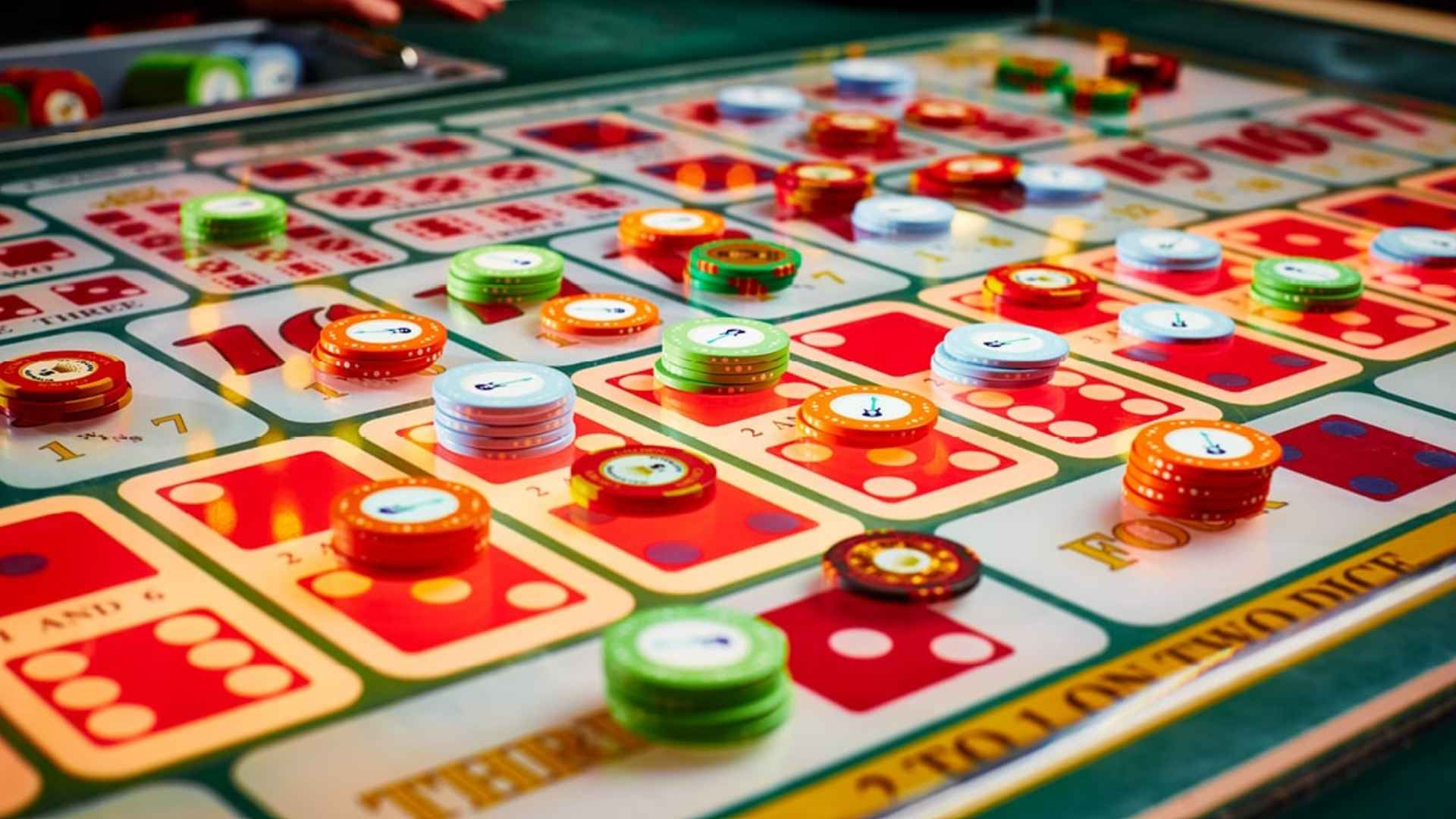
The history of European card games reveals a fascinating transformation of leisure culture and social interaction across several centuries. Long before digital platforms standardized modern gaming entertainment, early card tables functioned as vital community hubs that mirrored the changing social dynamics of their respective eras. Exploring these historic traditions provides unique insights into how regional customs influenced the evolution of classic parlor pastimes.
The Arrival and Adaptation of Early Decks
Playing cards first entered European records during the late fourteenth century, arriving through trade routes connecting the continent to the Islamic world. Early European artisans quickly modified these imported decks to better reflect their own cultural hierarchies and artistic traditions. Over time, regional variations in suits and symbols began to emerge, laying the groundwork for distinct national card-playing styles.
As production methods improved, card games transitioned from exclusive aristocratic luxuries into widely accessible forms of popular entertainment. This widespread availability allowed diverse social classes to gather around shared tables, creating a unique environment for competitive interaction. The structural layout of early gaming rooms naturally encouraged direct participation and shared accountability among players.
Refining Etiquette in French Salons
During the eighteenth and nineteenth centuries, French gaming salons played a critical role in refining the social rules of classic card play. Elite venues transformed casual card games into highly sophisticated rituals governed by unwritten codes of conduct and strict table etiquette. These private spaces allowed participants to demonstrate intellectual skill, emotional restraint, and financial acumen before their peers.
Traditional French variants emphasized player agency and rotating responsibilities, shifting the operational burdens of the game away from a centralized house. Modern enthusiasts who enjoy studying these classic tactical frameworks can access an updated digital environment by utilizing vip 代码 m88 to explore contemporary variations. This ongoing connection highlights how historic table dynamics continue to influence global gaming communities today.
Industrial Production and Global Standardization
The Industrial Revolution drastically changed how playing cards were manufactured and distributed across the globe. Mass printing techniques allowed factories to produce uniform decks with highly durable materials, eliminating the minor physical flaws that previously compromised game integrity. This mechanical standardization helped popularize specific card game formats across international borders, establishing a shared gaming language.
As standardized games moved into commercial casinos, the fluid structure of rotating player roles gradually shifted toward fixed corporate dealers. This transition maximized operational efficiency and game velocity while preserving the foundational mathematical rules established centuries prior. Despite these structural shifts, the core psychological appeal of reading opponents and managing risk remained completely intact.
The Digital Transition of Historic Pastimes
The emergence of digital platforms has completely reshaped how modern audiences interact with traditional card game mechanics. Contemporary interfaces allow players from different cultural backgrounds to connect instantly over virtual layouts that replicate the aesthetic feel of historic European tables. This digital expansion ensures that ancient regional variants remain accessible to a brand new generation of strategic thinkers.
Ultimately, tracing the cultural journey of European card play highlights the enduring human desire for shared social experiences. While the physical materials and gaming platforms continue to modernize, the basic competitive tension of comparing card values remains unchanged. Recognizing this historical evolution gives players a profound appreciation for the rich legacy behind every round dealt today.